












Original price was: $305.00.$96.99Current price is: $96.99.
- Fast reliable delivery options
- Online customer care, always here for you.
- 100% environmentally friendly material
- Unbeatable quality, unbeatable prices.

As technology extended both the distances aircraft could travel and the height that could be obtained there became an urgent need for suitable flight clothing that was not only warm and relatively water proof, but was not as bulky as some of the earlier options. Inspiration for a coat that was to become widely used across the world, but particularly in America came from the Royal Flying Corp’s full-length leather coat, manufactured by companies such as Burberrys and Gamages.
As became the general rule, the American leather companies developed upon these ideas and produced a better, more serviceable and easier to wear item.
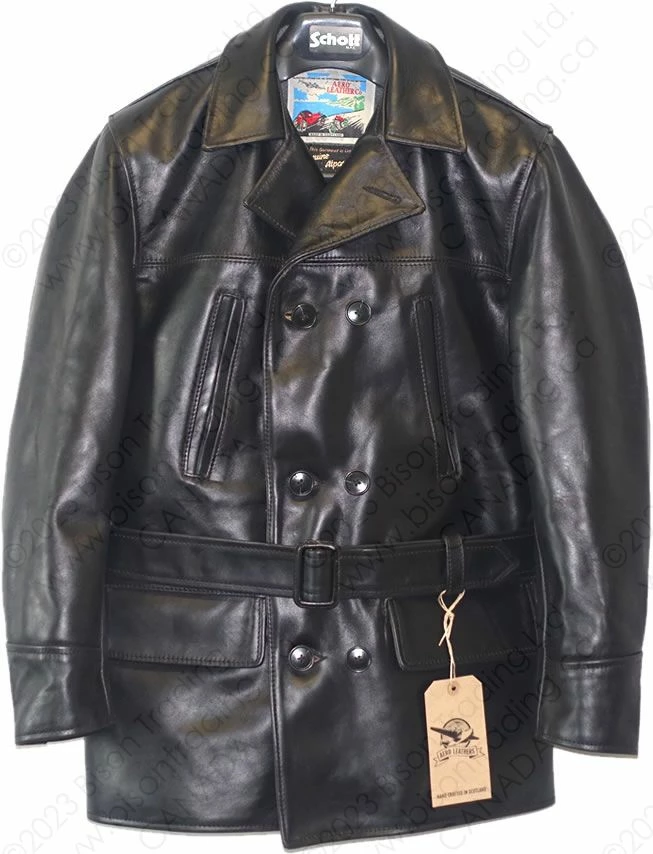
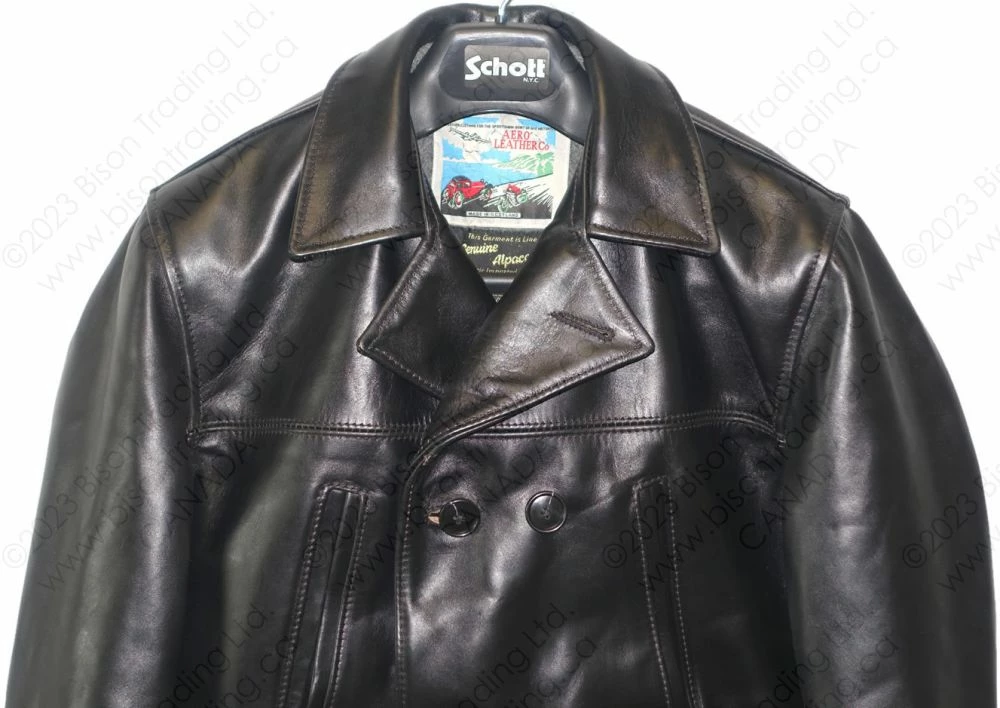
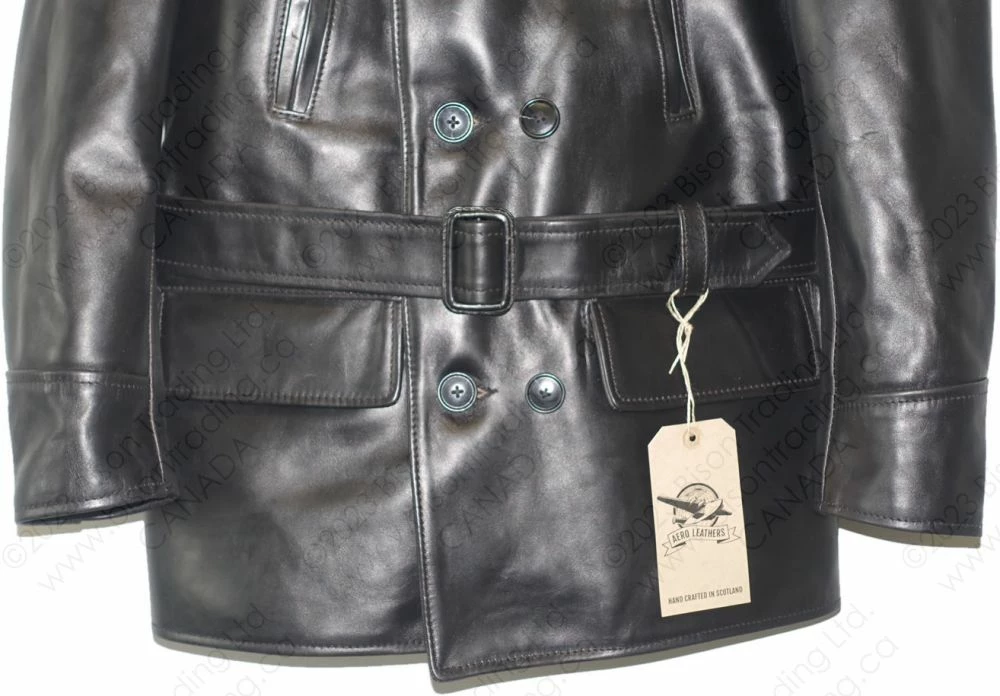
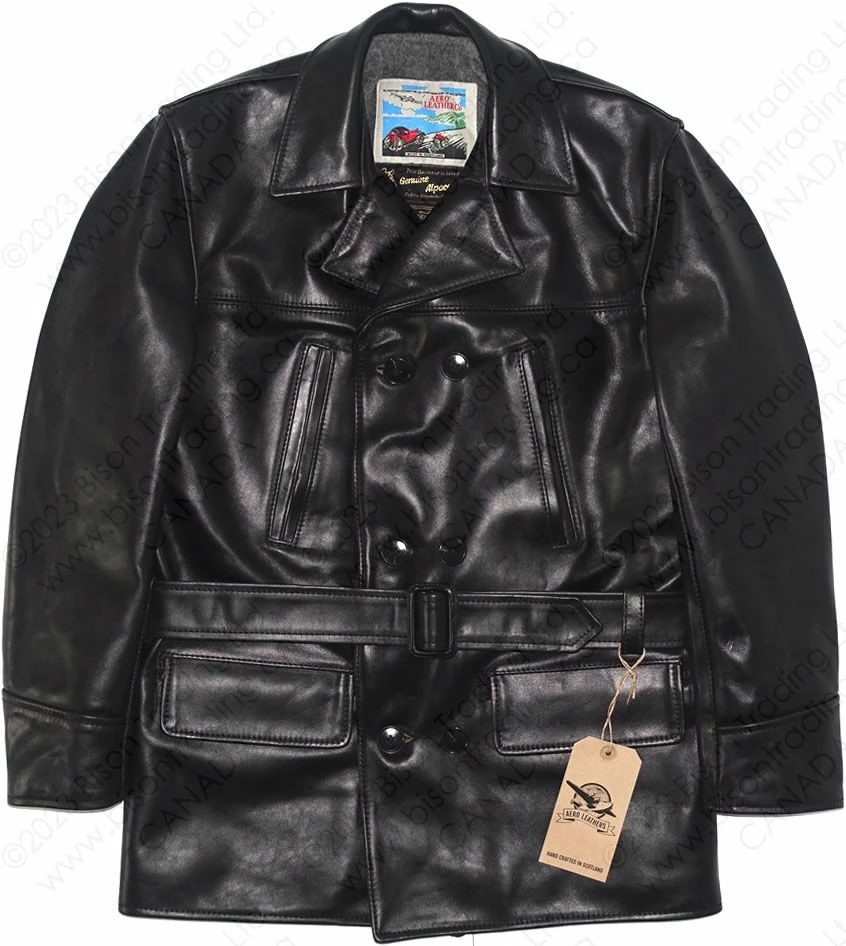
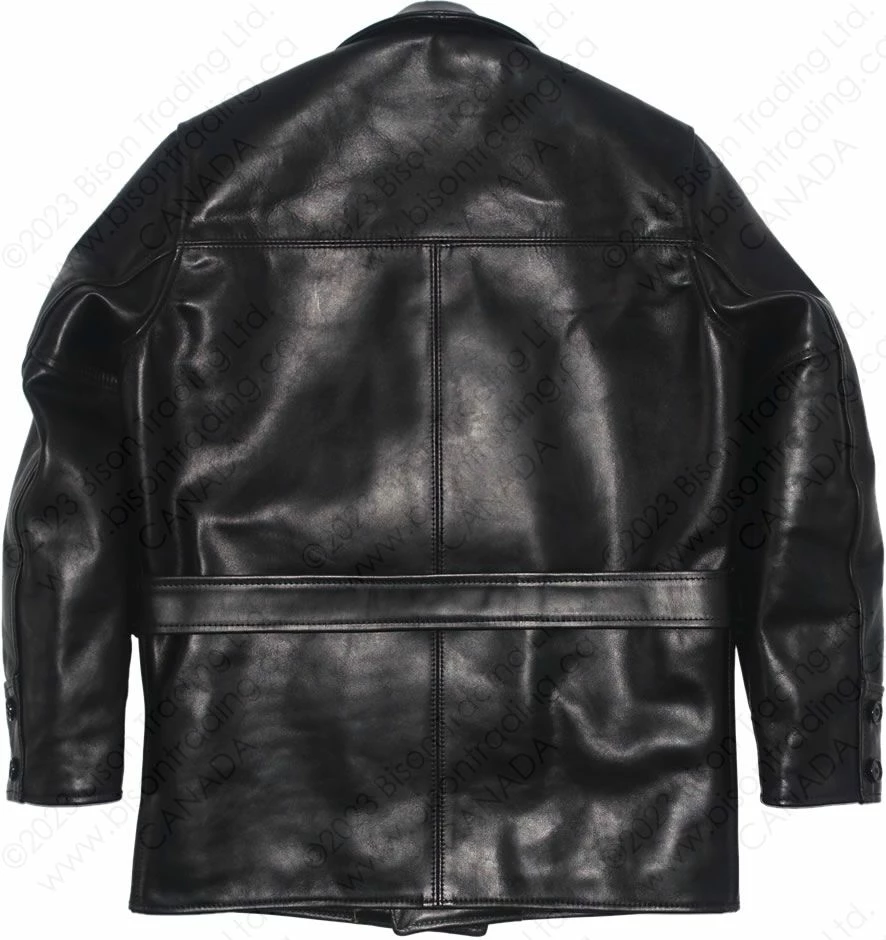
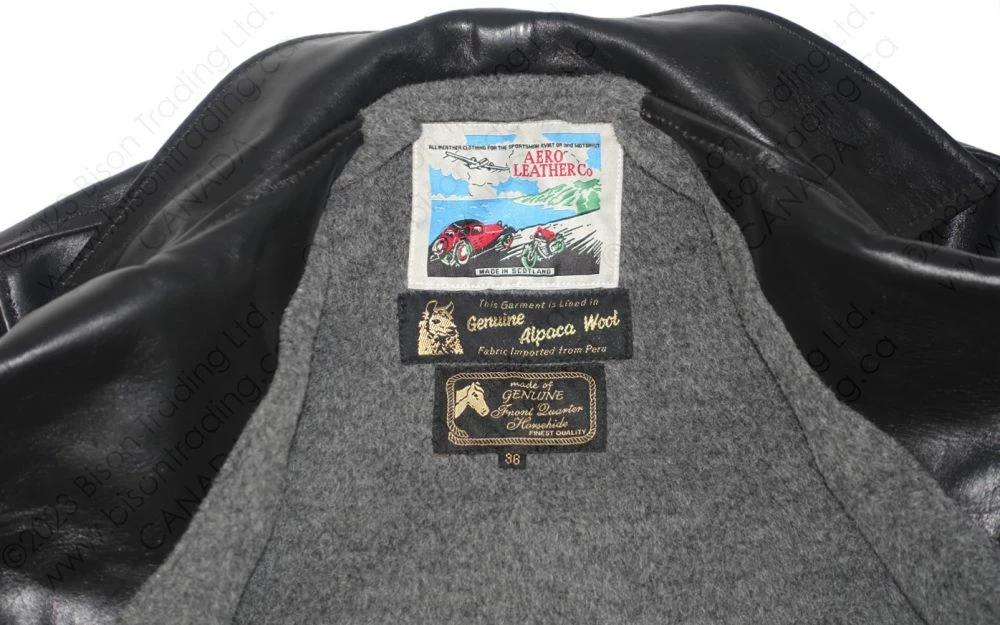
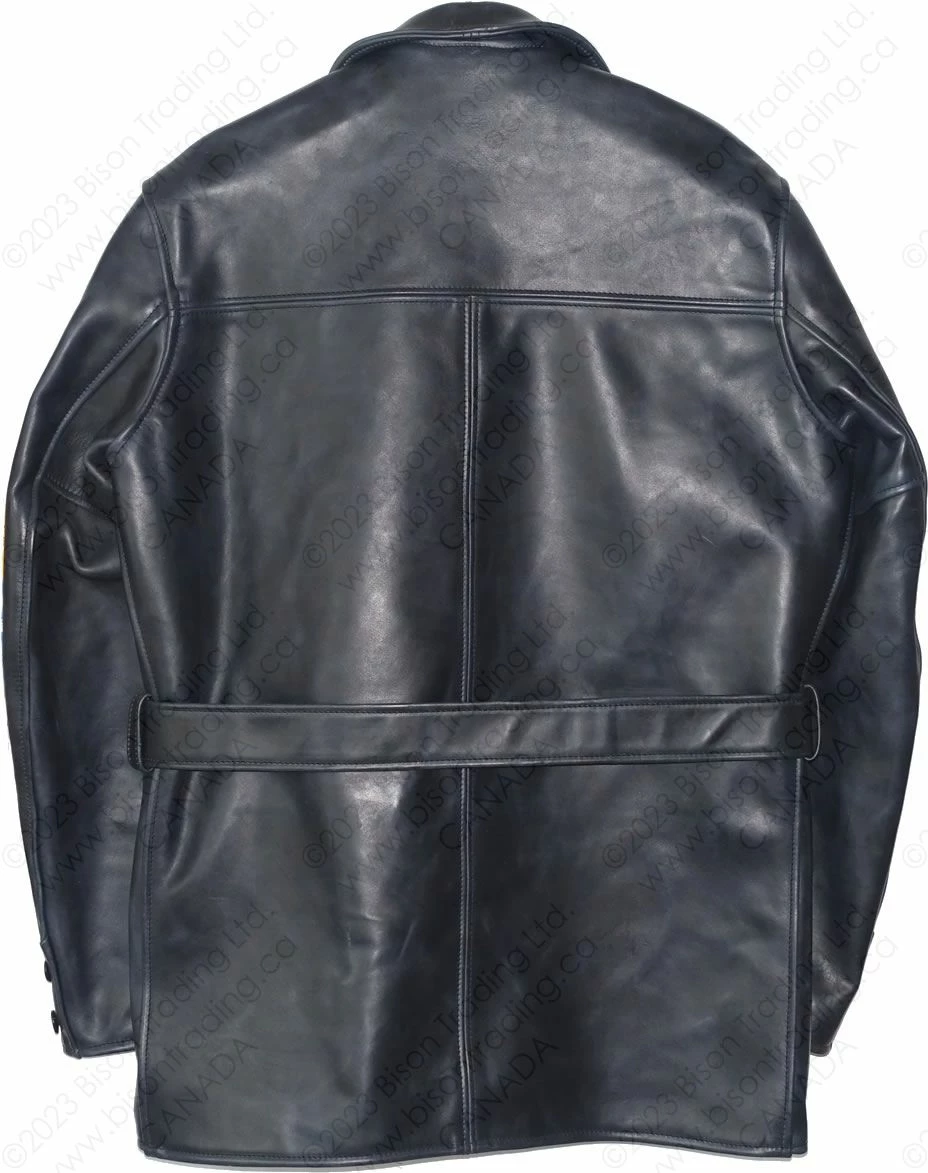
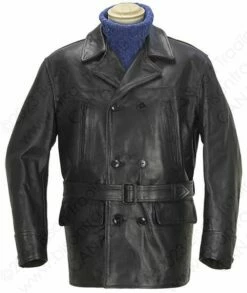
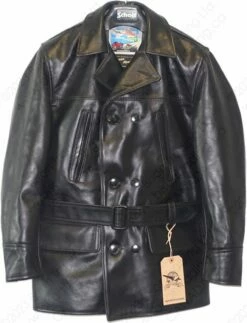
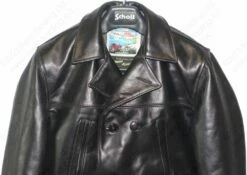
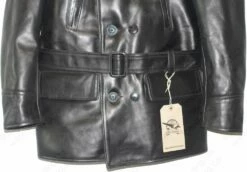
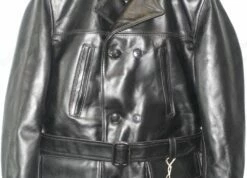
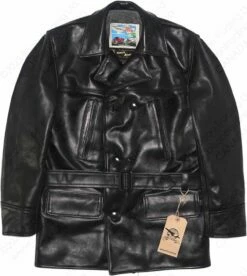
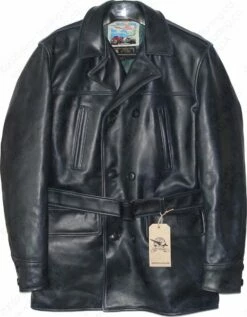
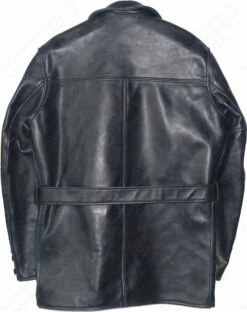
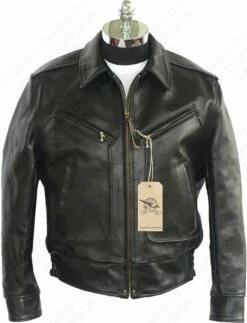
This double-breasted 4-pocket coat was considerably shorter than the RFC item and provided all the protection without the bulk and discomfort of a full-length coat. Although never an “issue” item, many US manufacturers produced a near on identical item right through to the late 1930s, using horsehide exterior while the linings varied from the heavy horse blanket material to the more luxurious, lighter weight yet warmer, alpaca wool imported from Peru.
A typical example of this “Barnstormer”, as it became universally known since we first used the name to honour of the exploits of the flying circus and stunt pilots, can be found in the Sears catalogues of the 1930s. The flying leather necks, cargo and mail pilots of the 1930’s faced long hauls in bitter weather conditions with only their flying coats to keep the elements at bay. Their first choice was a Double Breasted Horsehide leather coat, chosen for its warmth, strength and durability…all the hallmarks of an Aero garment.
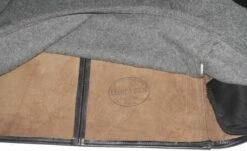
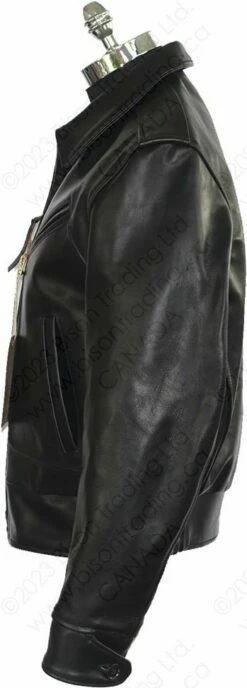
The Aero Barnstormer has four deep pockets, finest Alpaca Wool lining, hand-sewn buttons and pure wool knitted storm cuffs, set into the cotton sleeve lining for draught resistance.
| Select | 32, 34, 36, 38, 40, 42, 44, 46, 48, 50, 52 |
|---|---|
| Select 1 | Horween CXFQHH 3oz Black, Horween CXFQHH 3oz Brown, Horween CXFQHH 3oz Cordovan, Horween CXFQHH 3oz Midnight Blue, Horween CXFQHH 3oz Cherry, Horween Tumbled CXFQHH 3oz Black, Horween Tumbled CXFQHH 3oz Brown, Horween Tumbled CXFQHH 3oz Cordovan, Battered Horsehide Seal, Battered Horsehide Tan, Mid Weight Horsehide Oil Pull, Mid Weight Jerky Horsehide Black, Mid Weight Jerky Horsehide Seal, Mid Weight Jerky Horsehide Russet, Mid Weight Goatskin Black, Mid Weight Goatskin Seal, Horween Heavy CX Steerhide Black, Horween Heavy CX Steerhide Brown, Horween Heavy CX Steerhide Cordovan, Italian Horsehide (Select Color From the List Below) |
| Select 2 | Italian Vegetable Tanned Full Grain Horsehide Black, Italian Vegetable Tanned Full Grain Horsehide Navy Blue, Italian Vegetable Tanned Full Grain Horsehide Dark Seal, Italian Vegetable Tanned Full Grain Horsehide Seal Brown, Italian Vegetable Tanned Full Grain Horsehide Russet, Italian Vegetable Tanned Full Grain Horsehide Cordovan, Italian Vegetable Tanned Full Grain Horsehide Natural Tan, Italian Vegetable Tanned Full Grain Horsehide Cream, Italian Vegetable Tanned Full Grain Horsehide Olive |
| Select 3 | Heavy Duty Cotton Drill Black (Others eMail), Lochcarron Tartan Wool – Aero's Choice, Lochcarron Tartan Wool Royal Steward, Lochcarron Tartan Wool Blackwatch, Lochcarron Tartan Wool Black Stewart, Lochcarron Tartan Wool Weathered Grant, Lochcarron Tartan Wool Capercaillie, Lochcarron Tartan Wool Buchanan Hunting Modern, Lochcarron Tartan Wool Minto Check, Lochcarron Tartan Wool MacKenzie Weathered, Lochcarron Tartan Wool Custom Please eMail, Alpaca Wool Black, Alpaca Wool Brown, Alpaca Wool Grey, Harris Tweed Wool North Sea Herringbone, Harris Tweed Wool Red Hart Check, Herringbone Tweed Wool Brown, Herringbone Tweed Wool Navy, Rayon Quilted Option, Heavy Duty Luxurious Shearling |
| Select 4 | Left Vertical Stud Closure, Left Vertical Zip Closure, Left Vertical Open Option, Left Horizontal Stud Closure, Left Horizontal Zip Closure, Left Horizontal Open Option |
| Select 5 | Right Vertical Stud Closure, Right Vertical Zip Closure, Right Vertical Open Option, Right Horizontal Stud Closure, Right Horizontal Zip Closure, Right Horizontal Open Option |
| Select 6 | Fitted Mouton Fur Collar Black, Fitted Mouton Fur Collar Dark Brown, Fitted Mouton Fur Collar Golden, Fitted Mouton Fur Collar Rust, Fitted Mouton Fur Collar Irvin |
| Select 7 | 56cm / 22", 57cm / 22.5", 58cm / 23", 60cm / 23.5", 61cm / 24", 62cm / 24.5", 64cm / 25", 65cm / 25.5", 66cm / 26", 67cm / 26.5", 69cm / 27", 70cm / 27.5", 71cm / 28" |
| Select 8 | 71cm / 28", 72cm / 28.5", 74cm / 29", 75cm / 29.5", 76cm / 30", 77cm / 30.5", 79cm / 31", 80cm / 31.5", 81cm / 32", 83cm / 32.5", 84cm / 33", 85cm / 33.5", 86cm / 34", 88cm / 34.5", 89cm / 35", 90cm / 35.5", 91cm / 36" |
Be the first to review “Aero Leather Barnstormer”
Related products
Aero Leather


Aero Leather



Aero Leather
Reviews
There are no reviews yet.